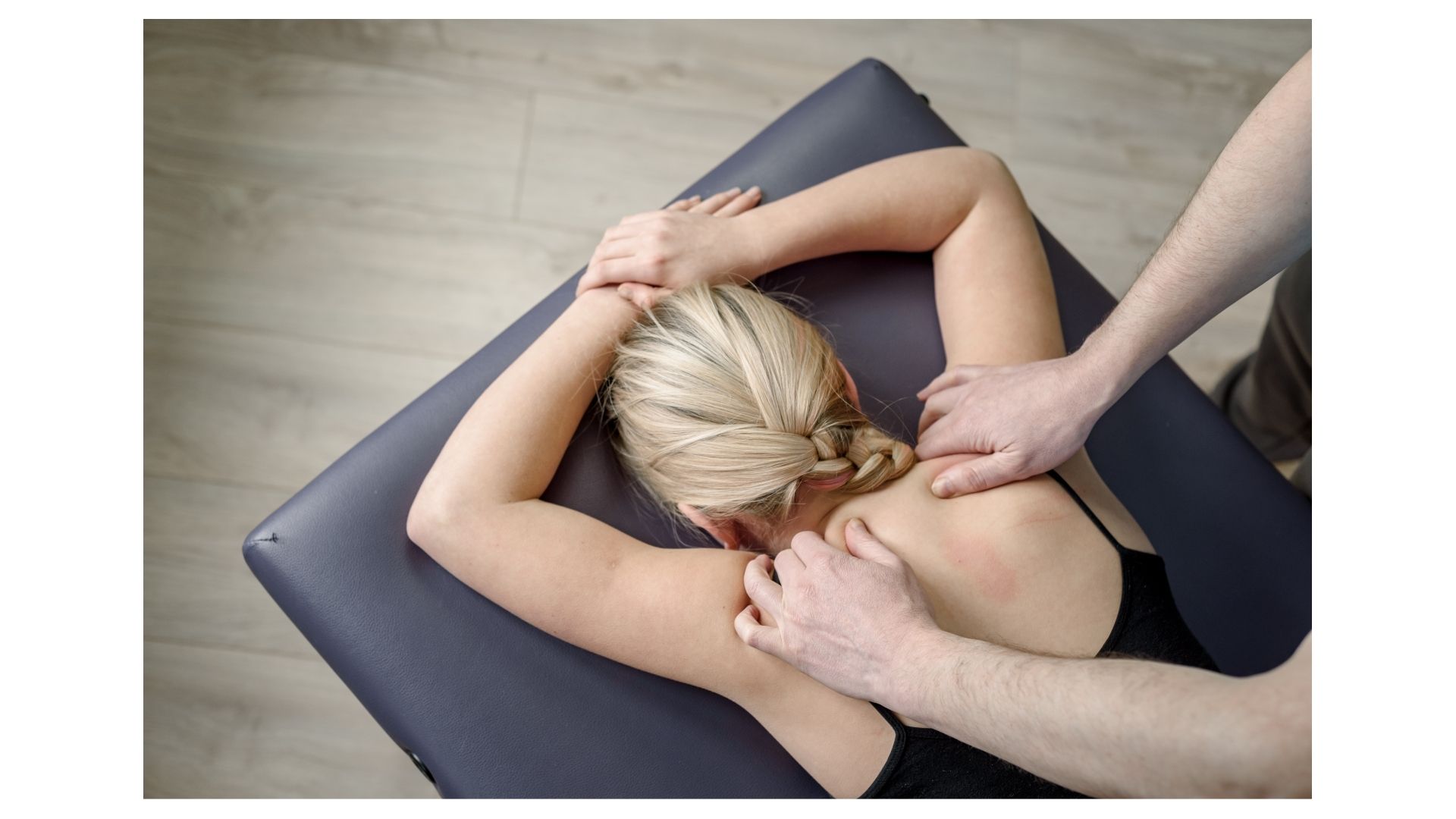
Holistic wellness has grown enormously in popularity, and for good reason. More families in Topeka are looking beyond quick fixes toward approaches that support the whole body. If you've heard terms like acupuncture, cupping, reflexology, and naturopathy but weren't quite sure what they involve, this guide is for you.
At Thrive Chiropractic in downtown Topeka, Dr. Maggie Hunsicker and Dr. Kailee Logan believe in a whole-body approach to wellness. This guide explains these popular complementary therapies in clear terms, so Topeka families can make informed decisions about their health, and understand how natural, drug-free care fits into a balanced wellness lifestyle.
What Are Complementary Therapies?
Complementary therapies are approaches used alongside conventional healthcare to support overall wellness. The word "complementary" is key: these are generally meant to work with, not replace, standard medical care.
Many complementary therapies share a common philosophy with chiropractic care: the belief that the body has a natural ability to heal and function well when supported properly. They tend to be non-invasive, drug-free, and focused on the whole person rather than isolated symptoms.
The National Institutes of Health, through its National Center for Complementary and Integrative Health, studies many of these approaches and provides evidence-based information about their uses and effectiveness. Let's look at four of the most popular.
Acupuncture
Acupuncture is one of the oldest and most well-known complementary therapies, originating in traditional Chinese medicine thousands of years ago.
What It Involves
Acupuncture involves inserting very thin needles into specific points on the body. Practitioners believe these points correspond to pathways of energy (often called "qi") and that stimulating them helps restore balance and support the body's natural functions.
What It's Commonly Used For
- Pain management, including back and neck pain
- Headaches and migraines
- Stress and tension relief
- General wellness support
Research compiled through the National Library of Medicine has explored acupuncture's potential role in managing certain types of pain, and it continues to be studied for various applications. Many people in Topeka use acupuncture as part of a broader wellness routine.
Cupping Therapy
Cupping has gained visibility in recent years, particularly after appearing on the bodies of Olympic athletes. Though it looks modern, it's actually another ancient practice.
What It Involves
Cupping therapy uses special cups placed on the skin to create suction. This suction is believed to increase blood flow to the area, release tension, and support recovery. The cups may leave temporary circular marks, which typically fade within a few days.
What It's Commonly Used For
- Muscle tension and tightness
- Recovery support for athletes
- Circulation support
- Relaxation
Many active adults in Topeka are curious about cupping as a complement to other recovery approaches, including the myofascial release and trigger point techniques often used for deep muscle tension.
Reflexology
Reflexology is a therapy based on the idea that specific points on the feet, hands, and ears correspond to different organs and systems in the body.
What It Involves
A reflexology practitioner applies pressure to these specific points, most commonly on the feet. The theory is that stimulating these points supports the corresponding areas of the body and promotes relaxation and balance.
What It's Commonly Used For
- Relaxation and stress relief
- General wellness support
- A sense of overall balance
Reflexology is often valued for its deeply relaxing nature, and some Topeka residents enjoy it as part of a self-care routine.
Naturopathy
Naturopathy is less a single technique and more a broad philosophy of care focused on natural healing and prevention.
What It Involves
Naturopathic approaches emphasize supporting the body's natural ability to heal through lifestyle, nutrition, and natural remedies. Naturopathy tends to focus on addressing root causes and prevention rather than just treating symptoms.
What It Commonly Emphasizes
- Nutrition and dietary support
- Lifestyle and wellness habits
- Natural, preventive approaches
- Whole-person care
This root-cause, whole-person philosophy shares common ground with the wellness-focused approach many Topeka families appreciate about chiropractic care.
How Chiropractic Fits into Holistic Wellness
Chiropractic care shares a foundational belief with many complementary therapies: that the body is designed to function and heal well when properly supported. Chiropractic focuses specifically on the spine and nervous system, the master communication network that coordinates every function in the body.
For many Topeka families, chiropractic serves as a cornerstone of their holistic wellness routine. When the spine is aligned and the nervous system is communicating clearly, the body is better equipped to function the way it's designed to. You can learn more about our approach on our chiropractic care page.
(Practice note for Thrive team: if you offer or partner with providers for any of these therapies, or refer patients to trusted local practitioners, add that information here. If not, this page appropriately positions chiropractic as your core service while educating readers on the broader wellness landscape.)
Choosing the Right Approach for Your Family
With so many wellness options available in Topeka, how do you choose? Here are a few guiding principles:
- Start with your goals. Are you seeking pain relief, stress reduction, or overall wellness support?
- Look for qualified practitioners. Whatever approach you choose, seek trained, reputable providers.
- Think complementary, not either-or. Many approaches work well together as part of a balanced routine.
- Keep your healthcare team informed. Always let your providers know about the different therapies you're using.
- Consider chiropractic as a foundation. Supporting your nervous system supports your whole body.
Whole-Family Wellness at Thrive in Topeka
One of the advantages of choosing Thrive is our whole-family focus. From pediatric chiropractic care for children to prenatal chiropractic care for expecting moms, we support natural, drug-free wellness at every stage of life, all under one roof in downtown Topeka.
Why Topeka Families Choose Thrive
Here's what brings families to us:
- Fourth-generation expertise. Dr. Maggie Hunsicker is a fourth-generation chiropractor with a deep commitment to genuine, whole-body care.
- Local roots and top training. Dr. Maggie earned her degree from Washburn University right here in Topeka before attending the prestigious Palmer College of Chiropractic, the founding school of the profession.
- A doctor who connects. Dr. Kailee Logan builds real relationships, making every Topeka family feel valued.
- A trusted reputation. Thrive has earned 140+ five-star Google reviews from families across Topeka.
Visit Thrive Chiropractic in Topeka, KS
We're located in the heart of downtown Topeka and easy to reach from College Hill, Westboro, Potwin, Oakland, and neighborhoods across Shawnee County. See directions and parking details on our office location page.
Thrive Chiropractic
509 SW Jackson St, Topeka, KS 66603
Phone: (785) 331-4515
Office Hours:
Monday: 9 AM to 5 PM
Tuesday: 9 AM to 2 PM
Wednesday: 9 AM to 5 PM
Thursday: 9 AM to 5 PM
Friday through Sunday: Closed
Ready to Build a Whole-Body Wellness Routine in Topeka?
Whatever complementary therapies interest you, chiropractic care can be a strong foundation for your family's wellness. At Thrive, we're here to support your natural, drug-free health journey with gentle, whole-body care.
Take advantage of our New Patient Special or reach out through our contact page to schedule. Let's build a wellness routine that works for your whole family.
Call or text us today at (785) 331-4515.
Frequently Asked Questions
What are complementary therapies?
Complementary therapies are approaches used alongside conventional healthcare to support overall wellness. They're generally non-invasive, drug-free, and focused on the whole person. Examples include acupuncture, cupping, reflexology, and naturopathy.
Are these therapies meant to replace medical care?
No. Complementary therapies are designed to work alongside, not replace, conventional medical care. Always keep your healthcare providers informed about the therapies you use.
What is the difference between acupuncture and cupping?
Acupuncture involves inserting thin needles into specific points on the body, while cupping uses suction cups placed on the skin. Both are ancient practices used for tension relief and wellness support.
How does chiropractic fit with these therapies?
Chiropractic shares a whole-body philosophy with many complementary therapies. It focuses specifically on the spine and nervous system and can serve as a foundation for a broader wellness routine in Topeka.
How do I choose the right therapy for me?
Start with your goals, look for qualified practitioners, and think complementary rather than either-or. A consultation with a trusted provider can help guide your decision.
Does Thrive offer these specific therapies?
Thrive specializes in chiropractic care as a foundation for whole-body wellness. Contact our Topeka office at (785) 331-4515 to learn about our services and how we can support your health goals.
Is chiropractic care safe for the whole family?
Yes. Thrive cares for infants, children, pregnant moms, adults, and seniors, using gentle techniques tailored to each person, all under one roof in Topeka.
Medical Disclaimer: This article is for informational purposes only and is not a substitute for personalized medical advice. Please consult with a qualified healthcare provider before beginning any new therapy.
About the Authors: Dr. Maggie Hunsicker, DC, is a fourth-generation chiropractor and graduate of Palmer College of Chiropractic. Dr. Kailee Logan, DC, is dedicated to family-centered care. Together, they lead Thrive Chiropractic in Topeka, KS.