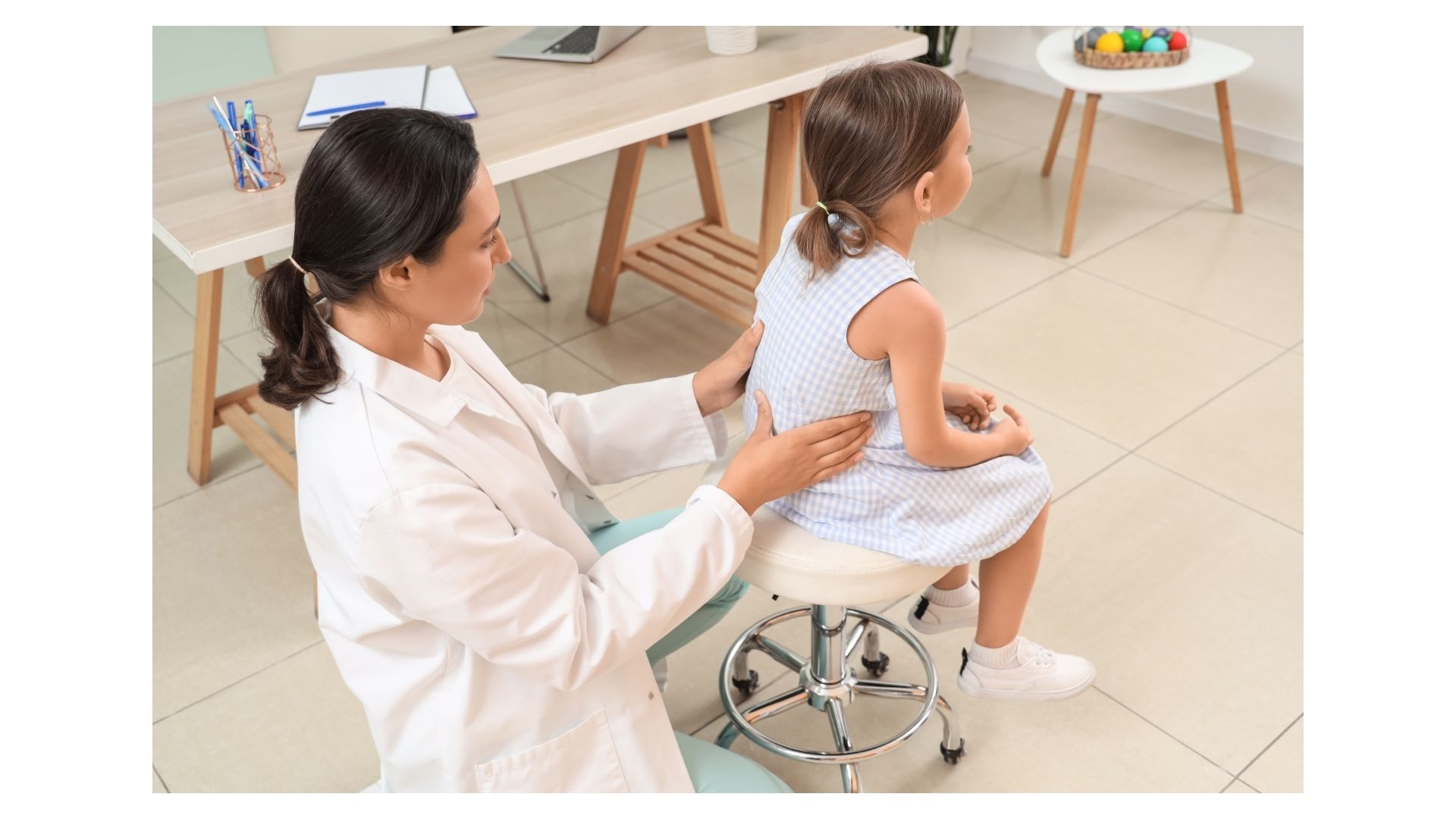
A scoliosis diagnosis in a child or teenager is one of those moments that changes the conversation at the pediatrician's office. Suddenly there are measurements, monitoring schedules, and the looming possibility of bracing or surgery depending on how the curve progresses. For Topeka parents navigating this for the first time, the conventional management plan — watch, wait, and intervene if the curve worsens — can feel deeply passive at a time when the instinct is to do something.
The good news is that there is something proactive to do. Chiropractic care won't straighten a scoliotic curve, and at Thrive Chiropractic in Topeka, Dr. Maggie Hunsicker and Dr. Kailee Logan are always honest about that. But what gentle chiropractic care can offer growing children and teenagers with scoliosis is meaningful and well-supported: reduced discomfort, improved spinal mobility, better postural awareness, and an active contribution to the management plan that goes beyond waiting for the next measurement.
This post is for Topeka parents of children and teens with scoliosis who want to understand what chiropractic care offers — and how it works alongside the orthopedic and pediatric care their child is already receiving.
Why Early Intervention Matters in Pediatric Scoliosis
Scoliosis is classified by age of onset — infantile (birth to age 3), juvenile (ages 3 to 10), and adolescent (ages 10 through skeletal maturity). According to NIH's National Institute of Arthritis and Musculoskeletal and Skin Diseases, adolescent idiopathic scoliosis is by far the most common form, typically presenting during the growth spurt of early adolescence and affecting girls more frequently than boys.
The central clinical concern with scoliosis in growing children is progression — the risk that the curve will worsen during periods of rapid spinal growth. Curves that are mild at diagnosis may remain mild, or they may progress significantly, particularly during the peak growth velocity of adolescence. The Cobb angle at diagnosis, the child's skeletal maturity, and the pattern of the curve are all factors that influence progression risk.
What this means practically for Topeka families is that the years between diagnosis and skeletal maturity — when the spine is still growing and the most active changes are occurring — represent the window during which proactive conservative care is most likely to make a difference. A spine that's well-supported structurally during this period, with good joint mobility, balanced musculature, and optimal neurological function, is in a better position than one that's been passively monitored alone.
Early detection is equally important. School screenings catch some curves, but they're not comprehensive or consistently performed. Dr. Maggie and Dr. Kailee include postural assessment and scoliosis screening in their pediatric evaluations for West Topeka families at Thrive Chiropractic — giving parents the opportunity to identify developing curves at the earliest possible stage, when the spine is most responsive to supportive intervention.
What Chiropractic Care Does for Pediatric Scoliosis
Reducing Discomfort and Pain
Pain is not always present in children and teenagers with scoliosis — particularly in mild to moderate curves — but it's more common than many parents realize, particularly as curves increase and the asymmetrical loading they create begins to affect muscles, joints, and soft tissues.
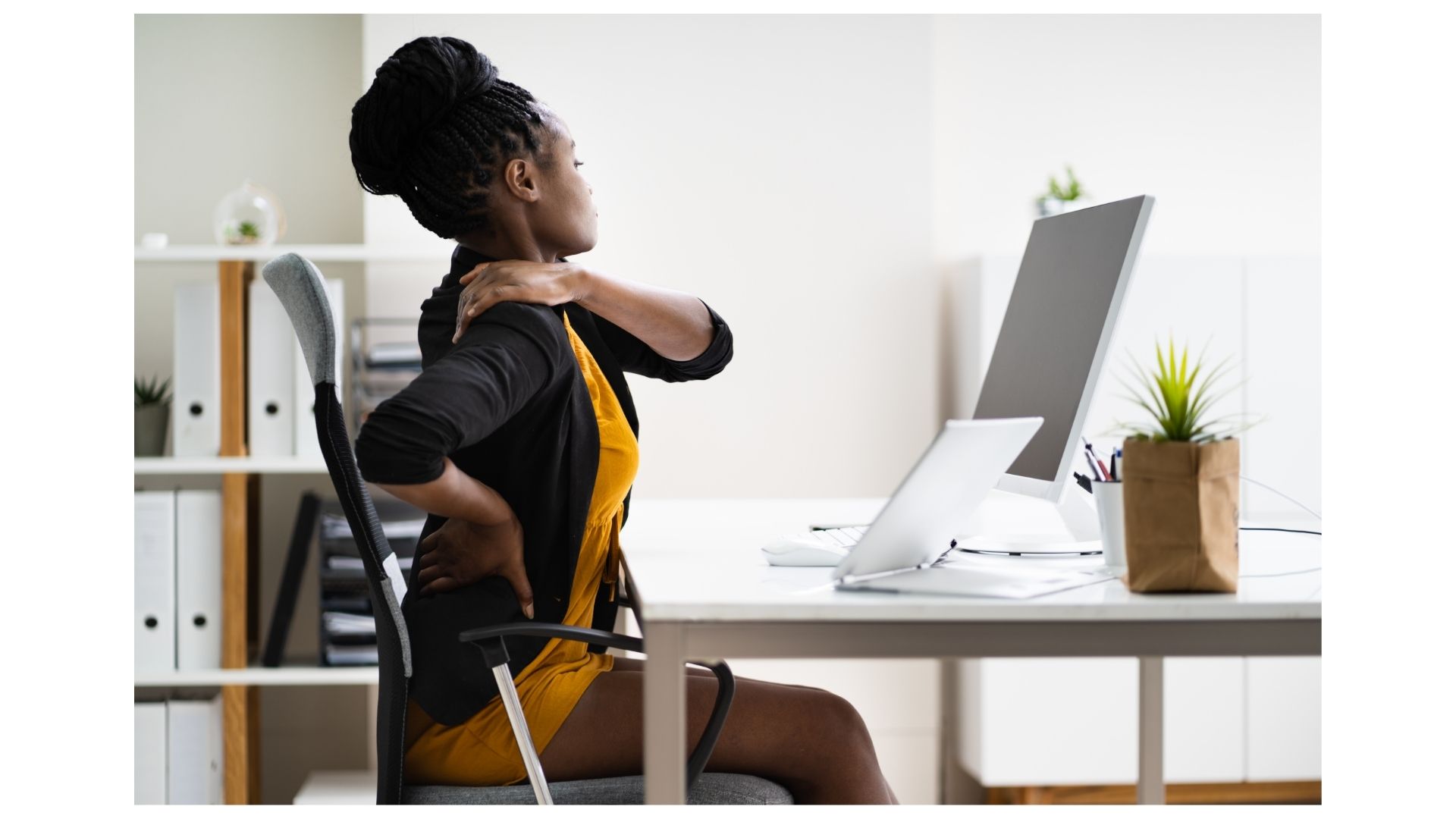
The mechanical consequences of scoliosis are predictable: on the concave side of the curve, spinal joints are compressed together and become restricted and irritated; on the convex side, muscles are stretched, overloaded, and prone to fatigue and spasm. For Topeka teenagers dealing with the postural demands of school — sitting for extended periods, carrying backpacks, participating in sports — this muscular and joint asymmetry can produce significant discomfort.
Chiropractic adjustments tailored to the scoliotic spine address the joint restrictions and associated muscular tension that produce pain, improving comfort and allowing the young patient to remain as active as possible — which is itself an important part of scoliosis management.
Maintaining Joint Mobility
One of the most important functions of chiropractic care for scoliosis is maintaining joint mobility throughout the affected spinal segments. The joints on the concave side of a scoliotic curve are under chronic compressive load and tend to develop restriction over time — stiffening in ways that can compound the structural consequences of the curve and accelerate degenerative changes in the affected segments.
Regular adjustments that maintain mobility in these restricted joints help preserve overall spinal function, reduce the rate of secondary degenerative changes, and support the range of motion that growing children need for normal physical activity and development.
Supporting Muscle Balance
The muscular imbalances that accompany scoliosis — tight and overworked on the concave side, lengthened and underactivated on the convex side — are both a consequence of the curve and a contributor to its mechanical consequences. Addressing these imbalances through soft tissue therapy and rehabilitative exercise supports better postural alignment and reduces the muscular strain that makes scoliosis more uncomfortable.
Dr. Maggie and Dr. Kailee incorporate specific exercises into scoliosis care plans for Topeka children and teenagers — not generic back exercises, but movements designed to address the specific pattern of muscular imbalance present in each patient's curve.
Neurological Support
The spine is the protective structure for the spinal cord and the exit point for every nerve root that supplies the body. Scoliosis creates areas of altered joint mechanics that can affect nerve root function in the involved segments, contributing to the neurological symptoms — altered sensation, muscle weakness, and discomfort patterns — that sometimes accompany scoliotic curves.
Chiropractic care that addresses segmental dysfunction along the scoliotic curve supports better neurological function throughout the affected regions, which can have meaningful downstream effects on how the young patient feels and functions.
The Adolescent Growth Spurt and Scoliosis Progression
For Topeka parents of teenagers with scoliosis, the adolescent growth spurt is the period of greatest concern. During peak growth velocity — typically between ages 11 and 13 in girls and 13 and 15 in boys — the spine can change rapidly, and curves that have been stable for years can progress significantly in a matter of months.
This is why consistent monitoring and proactive conservative care are most important during this window. Dr. Maggie and Dr. Kailee work with families throughout the Topeka area to ensure that chiropractic care during the adolescent growth period is appropriately paced and responsive to the changes occurring in the spine — increasing frequency during periods of rapid growth when indicated, and adjusting the care plan in coordination with the orthopedic providers monitoring the curve.
The Thrive Approach: Collaborative and Honest
One of the things that Topeka families consistently appreciate about the care at Thrive Chiropractic is the honesty about what chiropractic can and cannot do for scoliosis — and the collaborative approach to working within the broader management picture.
Dr. Maggie and Dr. Kailee are clear that chiropractic care is not a replacement for orthopedic monitoring, bracing when curves meet the clinical threshold for bracing, or surgical consultation when curves become severe. What chiropractic care provides is an active, proactive contribution to the management of the spine between monitoring appointments — addressing the functional consequences of the curve, supporting the musculoskeletal health of the growing child, and ensuring that the spine is as well-supported as possible during the years of most active change.
They communicate openly with orthopedic surgeons, pediatricians, and physical therapists when appropriate, and they ensure that chiropractic care — informed by the latest Scoliosis Research Society guidelines — is appropriately integrated into the full management plan for each Topeka patient. Learn more about Dr. Maggie and Dr. Kailee.
Dr. Maggie Hunsicker brings particular depth to pediatric scoliosis care as a fourth-generation chiropractor trained at Palmer College — the founding institution of the chiropractic profession. Her clinical training and family legacy in chiropractic give her both the technical foundation and the deep commitment to patient-centered care that scoliosis management in growing children requires. Her connections to the Topeka community, including ties to Washburn University, reflect her investment in the long-term health of Topeka families.
Dr. Kailee Logan shares that commitment, and together they've built a practice that has earned 140+ five-star Google reviews from Topeka families — including many whose children have been in care for scoliosis and related conditions.
Gentle Adjustments for Growing Spines
Topeka parents sometimes wonder whether chiropractic adjustments are safe for children and teenagers with scoliosis. The answer, when care is provided by chiropractors trained in pediatric technique and experienced with scoliotic spines, is yes — with the qualification that adjustments must be appropriately adapted to the child's age, size, and the specific pattern of their curve.
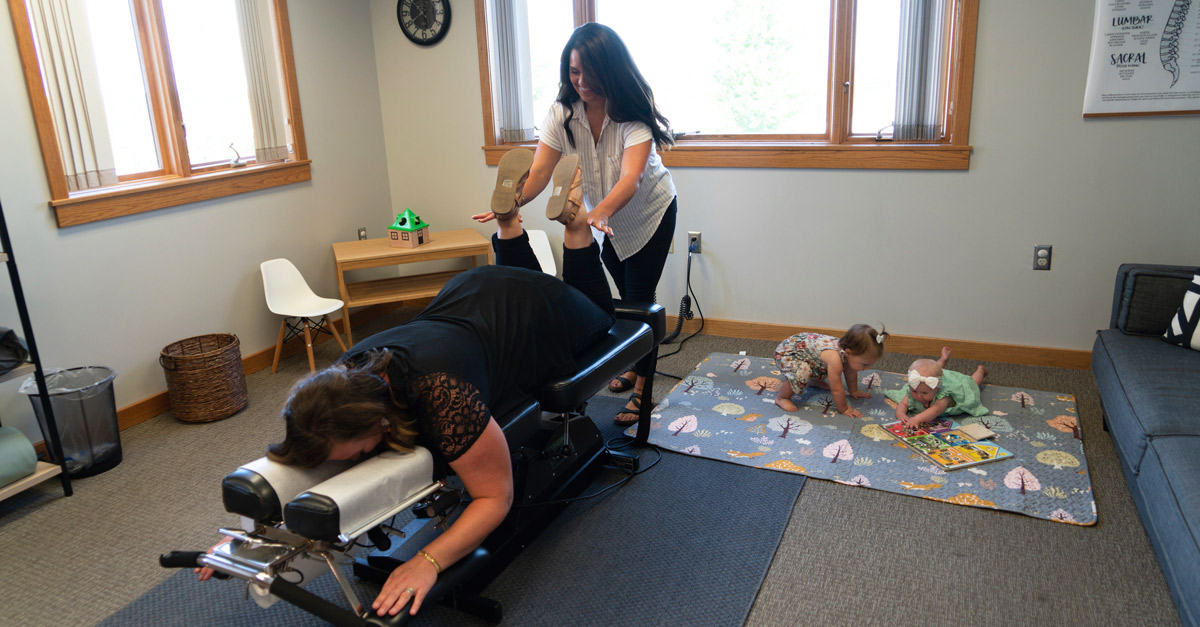
At Thrive Chiropractic, adjustments for children and teenagers are gentle, specific, and carefully calibrated to the individual patient's presentation. High-force techniques are not used in scoliotic spines. Instead, Dr. Maggie and Dr. Kailee use lower-force mobilization and adjustment methods that restore joint mobility and support neurological function without placing undue mechanical stress on structures that are already under asymmetrical load.
Many Topeka children and teenagers find chiropractic care entirely comfortable and look forward to their visits — read what families say in our patient testimonials from Topeka families.
Proactive Scoliosis Support for Topeka Families
If your child or teenager has been diagnosed with scoliosis in Topeka and you're looking for a proactive, honest, collaborative approach to their spinal health — reach out to Thrive Chiropractic to be part of their care team.
Call today: (785) 331-4515
📍 509 SW Jackson St, Topeka, KS 66603
🌐 thrivechiroks.com
Thrive Chiropractic — Dr. Maggie Hunsicker & Dr. Kailee Logan — Serving Topeka families across every generation.