
Every parent of a child with ADHD knows the exhaustion of it. Not just the exhaustion of managing the behavior — the homework battles, the emotional meltdowns, the constant redirection — but the exhaustion of wondering whether you're doing enough, finding the right combination of support, and watching your child struggle with things that seem to come easily to everyone else.
For Topeka families who are navigating ADHD in a child, the conversation typically centers on behavioral strategies, educational accommodations, and in many cases medication. These approaches help many children significantly. But they share a common limitation: they work with the behavioral and cognitive output of ADHD without addressing the underlying neurological state that's producing it.
At Thrive Chiropractic in Topeka, Dr. Maggie Hunsicker and Dr. Kailee Logan approach ADHD and focus challenges from the inside out — looking at the nervous system state that underlies the behavioral presentation and addressing the structural factors that may be contributing to chronic dysregulation. The CDC's data on childhood ADHD shows the diagnosis is increasingly common, and many Topeka families are seeking a natural, complementary pediatric chiropractic approach to support their child's regulation and attention.
ADHD as a Nervous System Regulation Problem
The conventional understanding of ADHD centers on dopamine and norepinephrine dysregulation in the prefrontal cortex — the part of the brain responsible for executive function, impulse control, working memory, and the sustained attention that academic and social demands require. This neurochemical framework is accurate and well-supported by research.
What's less often discussed is the role of the autonomic nervous system in the ADHD picture. The autonomic nervous system — the part that governs the body's state of arousal, rest, and stress response — must be in appropriate balance for the prefrontal cortex to function effectively. Specifically, sustained attention and executive control require parasympathetic nervous system dominance — the calm, regulated state in which the brain can focus, plan, inhibit impulses, and manage emotional responses.
When the sympathetic nervous system is chronically dominant — when the nervous system is stuck in a persistent low-grade state of alert and arousal — that parasympathetic foundation is unavailable. The prefrontal cortex is effectively working in a neurological environment that undermines its function. The child isn't choosing not to focus. Their nervous system is physiologically unable to provide the regulatory foundation that sustained attention requires.
For many Topeka children with ADHD, this chronic sympathetic overdrive is not purely a brain chemistry issue. It has a structural dimension — and that dimension is where chiropractic care offers something genuinely different.
The question Dr. Maggie and Dr. Kailee ask with every child presenting with focus and regulation challenges in Topeka is this: why is this nervous system unable to access a calm, regulated state — and what structural factors might be maintaining the dysregulation?
The Upper Cervical Spine and Nervous System Regulation
The upper cervical spine — particularly the atlas (C1) and axis (C2) vertebrae — has a uniquely important relationship with the nervous system's regulatory capacity. The atlas surrounds the brainstem at its most functionally critical level, and the brainstem contains the reticular activating system — the neural network that governs the overall state of arousal and the transition between states of alertness and calm.
The vagus nerve, the primary pathway of the parasympathetic nervous system, exits the brainstem and travels through the cervical region before supplying the heart, lungs, and digestive organs. Peer-reviewed research on vagal tone shows it is one of the most important determinants of a child's capacity for emotional regulation, social engagement, and the calm state in which learning and focus occur most effectively.
When upper cervical subluxations are present — when the atlas is misaligned in ways that create mechanical stress at the craniocervical junction — both brainstem function and vagal tone can be compromised. The reticular activating system is more easily triggered toward arousal. The parasympathetic downshift that the nervous system needs to regulate becomes harder to access. For Topeka children with ADHD whose nervous systems are already tilted toward sympathetic dominance, upper cervical subluxations can be a significant structural contributor to the dysregulation they're experiencing.
Where Subluxations Come From in Children with ADHD
For many Topeka children with ADHD and focus challenges, the nervous system dysregulation that underlies their symptoms has roots that predate their diagnosis — sometimes going back to birth.
The birth process places significant mechanical stress on the infant's cervical spine and cranial structures. Even in uncomplicated deliveries, the forces involved can produce upper cervical subluxations that affect brainstem function and vagal tone from the earliest days of life. In births involving interventions — vacuum extraction, forceps, significant traction, prolonged labor, or emergency cesarean — these forces are compounded.
The subluxations that result from birth stress are typically painless. They produce no spinal symptoms that standard pediatric examination would identify. But their effects on nervous system function — on the arousal regulation, emotional regulation, and attentional capacity that develop throughout early childhood — can be significant and persistent.
A child who enters the world with upper cervical subluxations affecting brainstem and vagal function may show signs of dysregulation from infancy — difficulty settling, poor sleep, colic, sensory sensitivities — that gradually evolve, as the demands on executive function increase, into the attention and behavioral challenges that lead to an ADHD evaluation.
Dr. Maggie and Dr. Kailee ask about birth history as a routine part of evaluating children with ADHD and focus challenges in Topeka — because understanding the origins of the nervous system dysregulation helps clarify the treatment approach.
What Chiropractic Care Offers for ADHD — and What It Doesn't
Dr. Maggie and Dr. Kailee are always clear about the scope of chiropractic care for ADHD in Topeka. Chiropractic is not a treatment for ADHD. It does not replace behavioral therapy, occupational therapy, educational interventions, or medication when medication is appropriate and chosen by the family.
What chiropractic care offers is something those interventions don't provide: direct structural support for the neurological foundation on which everything else depends. A child whose nervous system is chronically dysregulated will have a harder time benefiting from behavioral strategies, will struggle more in the classroom regardless of accommodations, and will find it more difficult to access the regulated state in which learning and behavioral change occur most effectively.
Many Topeka families find that after beginning chiropractic care for their child, the other interventions they're already using start to work more consistently — that the behavioral strategies gain traction, that the child is more available and responsive in the moments that matter. The chiropractic care isn't replacing the therapy. It's supporting the neurological environment in which therapy is most effective.
What Evaluation and Care Look Like at Thrive Chiropractic
When a Topeka family brings a child with ADHD or focus challenges to Thrive Chiropractic, Dr. Maggie and Dr. Kailee begin with a thorough conversation — reviewing birth history, developmental milestones, the specific pattern of attention and regulation challenges, what environments and demands are most difficult, and how the child's symptoms have evolved over time.
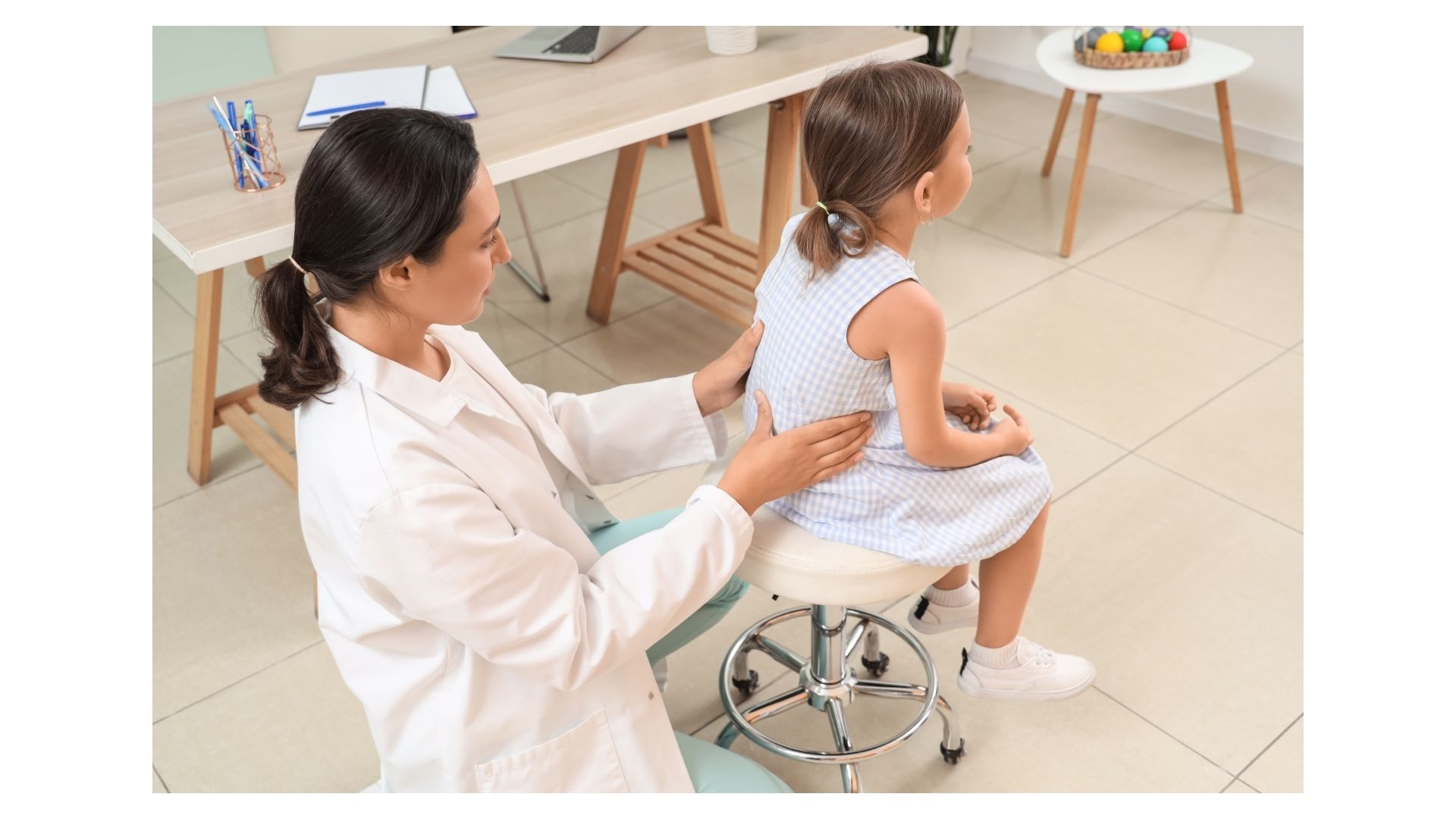
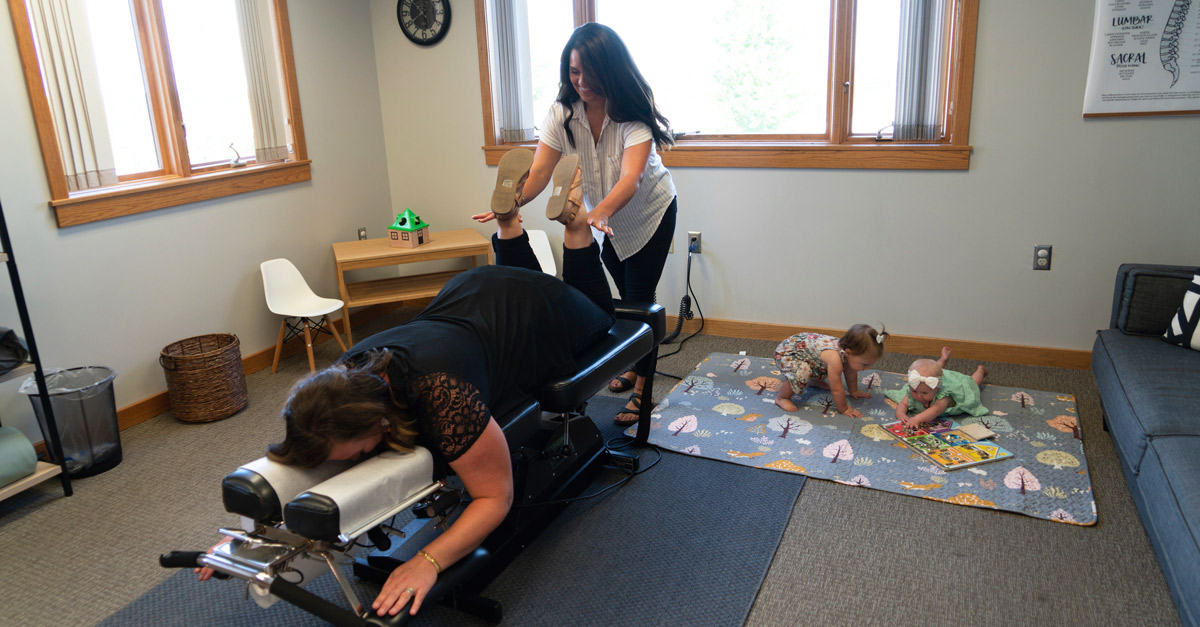
The physical examination is gentle and adapted to the child's age, temperament, and comfort level. Both Dr. Maggie and Dr. Kailee are experienced in working with children across the neurodevelopmental spectrum — including children with sensory sensitivities who find new physical experiences challenging. The family-friendly environment at Thrive Chiropractic reflects years of caring for Topeka families and is genuinely welcoming to children whose nervous systems are already working hard.
Spinal assessment with CLA INSiGHT scanning identifies where subluxations are present and how they're influencing the nervous system's regulatory state. For children with ADHD, the upper cervical spine and the thoracic region — the areas most directly associated with autonomic regulation and vagal tone — are the primary focus of assessment and care.
Adjustments for children are extremely gentle. For younger children, the force used is no more than gentle fingertip pressure at the identified spinal levels — adapted completely to the child's age, size, and response. Many children barely notice the adjustment and become engaged, comfortable patients as they develop familiarity with the routine.
The Thrive Difference for Topeka Families
Dr. Maggie Hunsicker brings a depth of clinical foundation to pediatric nervous system care that few Topeka providers can match. As a fourth-generation chiropractor trained at Palmer College — the founding institution of the chiropractic profession — she carries both a deep family legacy in the field and rigorous clinical training in neurologically-focused chiropractic care. Her connections to the Topeka community, including ties to Washburn University, reflect her genuine investment in the families she serves.
Dr. Kailee Logan shares that commitment to whole-child, family-centered care. Together, they've built a practice that has earned 140+ five-star Google reviews from Topeka families — many of whom came seeking help for their children and found a practice that genuinely understood both the child and the family's broader health picture.
Thrive Chiropractic cares for patients from infancy through adulthood — which means that the child with ADHD, the parent managing their own stress and tension, and the grandparent dealing with age-related health changes can all find appropriate, personalized care under one roof at our downtown Topeka office.
Supporting Your Child's Focus and Regulation in Topeka
If your child is struggling with attention, impulse control, or emotional regulation in Topeka and you're ready to explore what's happening at the neurological level, Dr. Maggie and Dr. Kailee would be glad to evaluate them and discuss what chiropractic care might offer for your family. Get started with our new patient special.
Call today: (785) 331-4515
📍 509 SW Jackson St, Topeka, KS 66603
🌐 thrivechiroks.com
Thrive Chiropractic — Dr. Maggie Hunsicker & Dr. Kailee Logan — Serving Topeka families across every generation.