
If you're a parent in Topeka quietly washing sheets at 2 a.m. and wondering when your child will outgrow bedwetting, you're far from alone. Nocturnal enuresis, the clinical term for nighttime bedwetting, affects roughly 1 in 5 children at age 5 and continues to impact about 1 in 20 ten-year-olds. While pediatricians often suggest waiting it out, many Topeka families are looking for a gentler, root-cause approach that supports their child's nervous system rather than masking the issue.
At Thrive Chiropractic in downtown Topeka, Dr. Maggie Hunsicker and Dr. Kailee Logan work with children and families every day who are tired of plastic mattress covers, restricted sleepovers, and quiet frustration. This guide walks Topeka parents through how chiropractic care may support healthy bladder function in children through gentle, non-invasive adjustments.
What Is Nocturnal Enuresis (Bedwetting) in Children?
Nocturnal enuresis is the involuntary release of urine during sleep in children who are old enough to typically have nighttime bladder control, generally age 5 or older. It's classified two ways:
- Primary enuresis: the child has never consistently stayed dry at night.
- Secondary enuresis: the child was dry for at least six months and then began wetting the bed again.
Bedwetting is not a behavioral issue, and it's not laziness. According to the American Academy of Pediatrics, it's a developmental concern that can be tied to deep sleep patterns, smaller bladder capacity, hormonal factors, and importantly, how well the nervous system communicates with the bladder. That last piece is where chiropractic care fits into the conversation for many Topeka families.
Why Bedwetting Persists: The Nervous System Connection
The bladder doesn't operate on its own. It receives signals from the brain through nerves that exit the lower spine, particularly the sacral region at the base of the back. These sacral nerves coordinate when the bladder fills, when it sends "I'm full" signals, and when it should empty.
When a child's spine, especially the lower back and sacrum, experiences misalignment (chiropractors call this vertebral subluxation), nerve communication between the brain and bladder can be disrupted. The child may sleep through the bladder's fullness signals or have weaker muscular coordination at night. This is a common pattern Dr. Maggie and Dr. Kailee see in Topeka children who come in for evaluation.
Common Causes of Sacral Nerve Stress in Kids
Subluxations in young children are far more common than parents expect. Contributors include:
- Birth trauma, including fast labors, prolonged labors, vacuum or forceps deliveries, and C-sections
- Tumbles and falls during crawling, walking, and learning to ride bikes
- Sports impacts from soccer, gymnastics, football, and cheer
- Heavy backpacks and prolonged sitting in school
- Poor sleep posture
Any of these can affect how cleanly the nervous system communicates with the bladder. Many of these stressors begin at birth, which is why early infant chiropractic evaluation can be so valuable.
How Chiropractic Care Supports Bladder Control in Children
Pediatric chiropractic doesn't "treat" bedwetting in the medical sense. Instead, it focuses on restoring proper nervous system function so the body can regulate itself the way it's designed to, including bladder control during sleep.
At our Topeka office, the approach for children with enuresis typically includes:
1. A Thorough Pediatric Consultation
Dr. Maggie or Dr. Kailee will sit down with you and your child to understand the full history, including pregnancy and birth details, developmental milestones, sleep patterns, diet, and frequency of bedwetting. We listen first.
2. Gentle Spinal Assessment
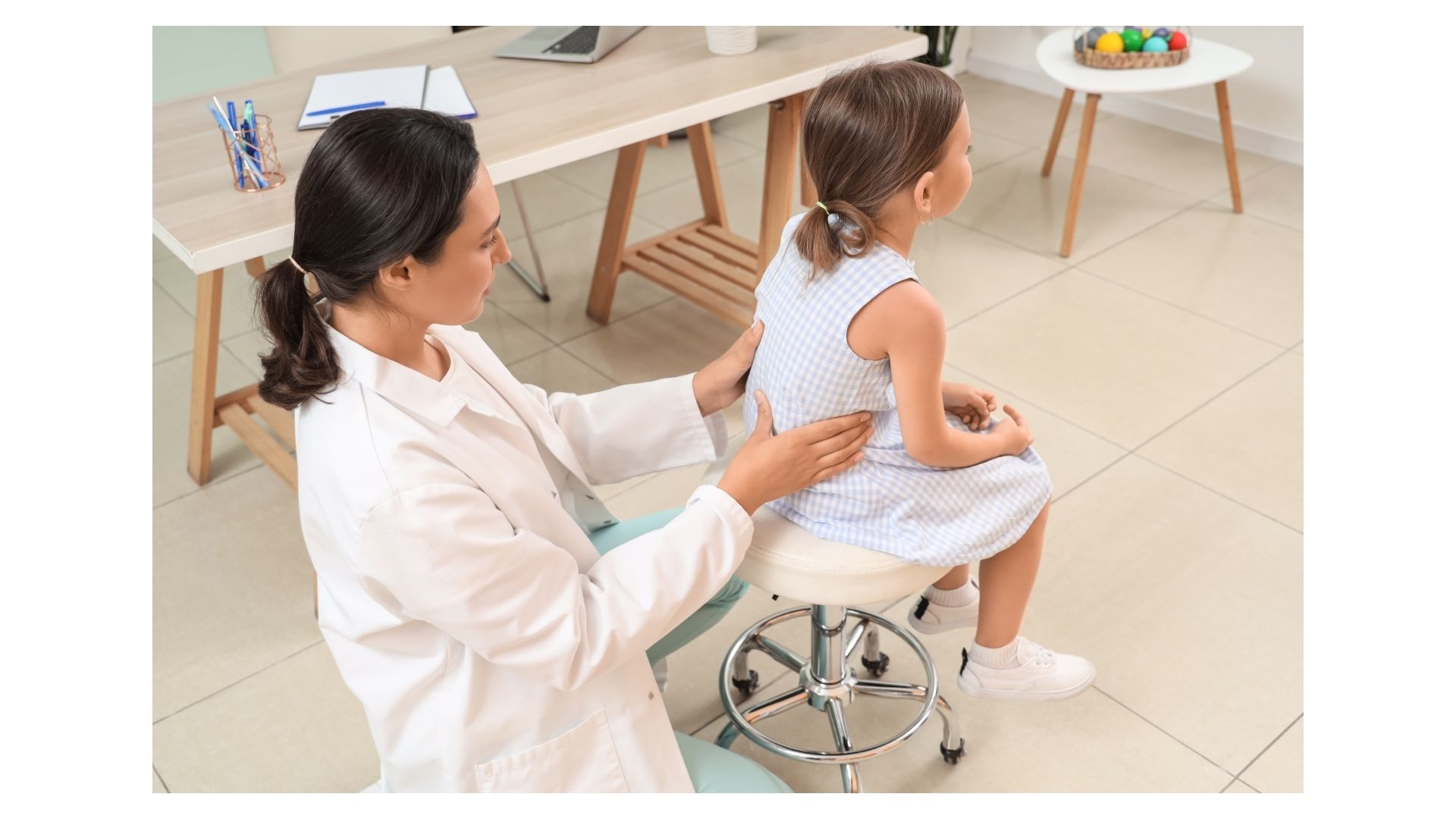
We carefully evaluate the child's spine, focusing on the lower back and sacral area, looking for areas of tension or restricted movement that may be affecting nerve flow to the bladder. Our CLA scanning technology can also provide objective insight into nervous system function.
3. Light, Non-Invasive Adjustments
This is where many Topeka parents feel reassured. Pediatric adjustments use about the same pressure you'd use to test the ripeness of a tomato, as we explain on our pediatric chiropractic page. There's no twisting, no popping, no cracking. Many children find the visits relaxing and even fall asleep on the table.
4. Family-Centered Care Plan
We work with parents on hydration timing, sleep hygiene, and supportive home habits, alongside in-office visits. Total wellness, not quick fixes.
A 2015 review published in the Journal of Pediatric, Maternal & Family Health highlighted multiple case reports of children showing improvement in nocturnal enuresis following chiropractic care. While more large-scale research is needed, the clinical experience of pediatric-focused chiropractors across the country, including right here in Topeka, has been encouraging for many families.
Why Topeka Families Choose Thrive Chiropractic
Topeka parents have options, and we're grateful so many choose us. Here's what sets our practice apart for families dealing with bedwetting:
- Fourth-generation chiropractic expertise. Dr. Maggie Hunsicker is a fourth-generation chiropractor, raised in a family where adjustments were part of everyday wellness.
- Strong local roots. Dr. Maggie earned her Bachelor's degree in Exercise Physiology from Washburn University right here in Topeka before attending the prestigious Palmer College of Chiropractic in Davenport, Iowa, the founding school of the chiropractic profession.
- A team that genuinely connects with kids. Dr. Kailee Logan chose chiropractic because she wanted to build real relationships with patients.
- A track record families trust. Thrive Chiropractic has earned over 140 five-star Google reviews from Topeka families — read our patient testimonials.
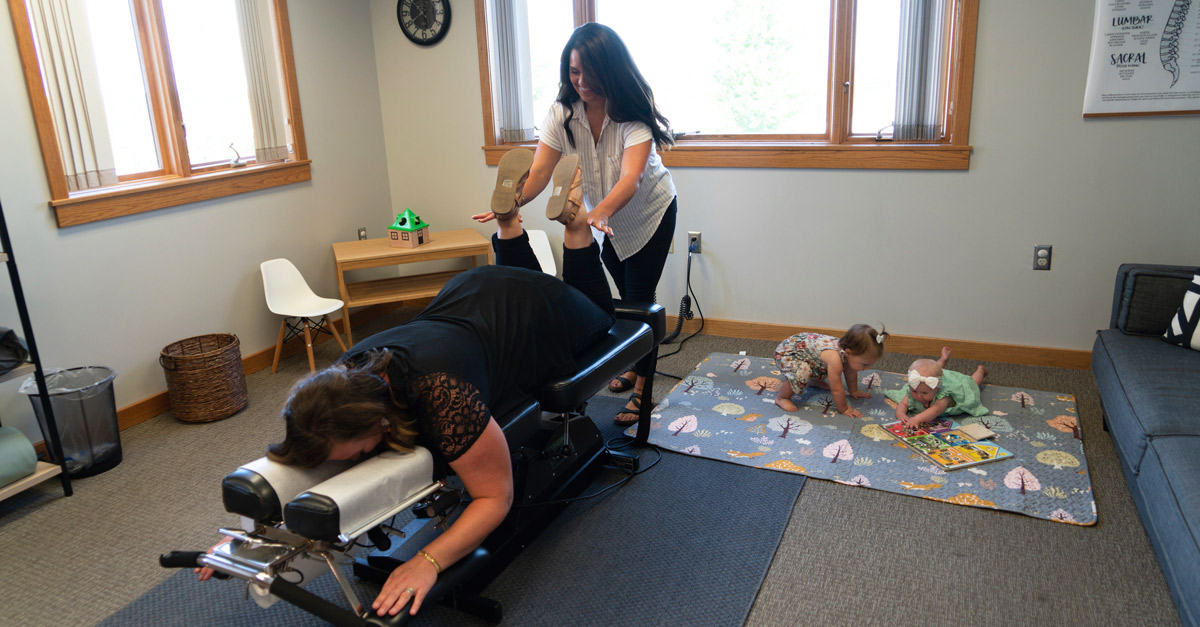
- Gentle, family-friendly environment. Our downtown Topeka office is designed to be welcoming for kids, with a calm atmosphere and zero pressure.
At-Home Tips Topeka Parents Can Try Tonight
While chiropractic care addresses the nervous system side of bedwetting, these supportive habits can help your child make progress:
- Limit fluids in the two hours before bedtime, but don't restrict water during the day.
- Avoid bladder irritants like citrus juice, caffeinated sodas, and excess sugar in the evening.
- Establish a consistent bedtime routine to support deeper, more regulated sleep cycles.
- Encourage two bathroom trips before bed, one at the start of the routine and one right before lights out.
- Stay positive and shame-free. Children who feel anxious about bedwetting often wet more, not less.
- Track patterns in a simple notebook so you can share trends with your chiropractor or pediatrician.
What to Expect at Your Child's First Visit in Topeka
If you're thinking about bringing your child in, here's what the first visit at our Topeka office looks like:
- A warm welcome and a relaxed consultation, no rushed clinical feel
- A child-appropriate exam with gentle hands-on assessment
- A clear explanation of findings in plain language both you and your child can understand
- A first adjustment if appropriate, using only light pressure
- A simple care plan with realistic expectations and timelines
Most parents are surprised by how calm and unintimidating the visit feels.
Visit Thrive Chiropractic in Topeka, KS
We're conveniently located in downtown Topeka and easy to reach from anywhere in Shawnee County, including College Hill, Westboro, Potwin, Oakland, and surrounding neighborhoods. Find directions and parking information on our office location page.
Thrive Chiropractic
509 SW Jackson St, Topeka, KS 66603
Phone: (785) 331-4515
Office Hours:
Monday: 9 AM to 5 PM
Tuesday: 9 AM to 2 PM
Wednesday: 9 AM to 5 PM
Thursday: 9 AM to 5 PM
Friday through Sunday: Closed
Ready to Help Your Child Stay Dry? Book a Topeka Pediatric Chiropractic Visit
You don't have to wait this out alone. If bedwetting is affecting your child's confidence, your family's sleep, or your peace of mind, gentle chiropractic care may be the natural, holistic step you've been looking for in Topeka.
Take advantage of our New Patient Special or reach out anytime through our contact page to schedule a consultation. We'd love to meet your family.
Call or text us today at (785) 331-4515.
Frequently Asked Questions
Is chiropractic care safe for young children?
Yes. Pediatric chiropractic adjustments use extremely light pressure that's safe for children of all ages, including infants. At our Topeka practice, Dr. Maggie and Dr. Kailee are trained in pediatric-specific techniques.
At what age should I be concerned about bedwetting?
Most children achieve nighttime dryness between ages 3 and 5. If your child is 5 or older and still consistently wetting the bed, it's worth exploring options. Topeka families often bring their children in around ages 5 to 8 for chiropractic evaluation.
How many visits will my child need?
Every child is different. Some Topeka families notice changes within a few weeks, while others see gradual improvement over a few months. After the initial exam, we'll provide a personalized care plan with clear expectations.
Does my child need to have back pain to benefit from chiropractic?
No. Children rarely complain of back pain even when subluxations are present. Chiropractic care for bedwetting focuses on nervous system function, not pain relief.
Do you treat other pediatric concerns besides bedwetting?
Yes. Our Topeka office supports children with concerns including colic, ear infections, sleep issues, and more. Many families come to us with one issue and stay for whole-family wellness.
Will insurance cover my child's chiropractic visits?
Coverage varies by plan. Our friendly Topeka team will help verify your benefits during your first call and explain affordable options if chiropractic isn't covered.
What if my child is nervous about visits?
That's completely normal. Our Topeka office is designed to feel welcoming and unintimidating. Many kids end up looking forward to their adjustments.